
Top 6 AI Tools for Understanding Concepts in 2026

Understanding difficult concepts is one of the biggest challenges students face today. Many subjects, from physics and mathematics to economics and philosophy, rely on ideas that are abstract, technical, or written in dense academic language.
Traditionally, students had to rely on textbooks, teachers, or long hours of research to grasp these ideas. Today, AI concept explainer tools are changing that process. Instead of struggling through complicated material alone, learners can use AI to break down ideas instantly and explore them interactively.
In this guide, we explore the top AI tools for understanding concepts in 2026, how they work, and which platforms actually help learners build real understanding rather than just generate answers.
Why Understanding Concepts Is Hard for Many Students
Learning often becomes difficult not because the subject is impossible, but because the explanations are unclear or too compressed. This is also one of the main reasons why students forget what they learn: shallow explanations don't create the mental anchors needed for retention.
Many educational materials assume background knowledge that learners may not yet have. This leads to several common problems:
Dense explanations
Academic writing often compresses multiple ideas into short passages.
Lack of step-by-step breakdowns
Students may see the final concept but not the reasoning behind it.
Limited opportunities to ask questions
Textbooks cannot respond when something is confusing.
Disconnected sources
Students frequently need to search multiple resources to understand one topic.
AI tools are increasingly solving these problems by allowing learners to interact with explanations directly.

What Makes a Good AI Concept Explainer
Not all AI systems are equally effective at explaining ideas. Some tools are designed primarily to answer questions, while others are built specifically to help people explore and understand knowledge.
A strong AI explanation tool typically includes several capabilities:
Clear breakdowns of complex ideas
Concepts should be explained step by step.
Context and examples
Good explanations show how ideas apply in real situations.
Interactive exploration
Users should be able to ask follow-up questions or explore related ideas.
Structured learning support
Quizzes, summaries, or concept connections can reinforce understanding.
The best AI learning tools combine these elements into an interactive environment where learners can analyze information deeply.
Top 6 AI Tools for Understanding Concepts
Below are six of the most widely used AI platforms for explaining ideas and helping learners understand complex topics.
Luminary
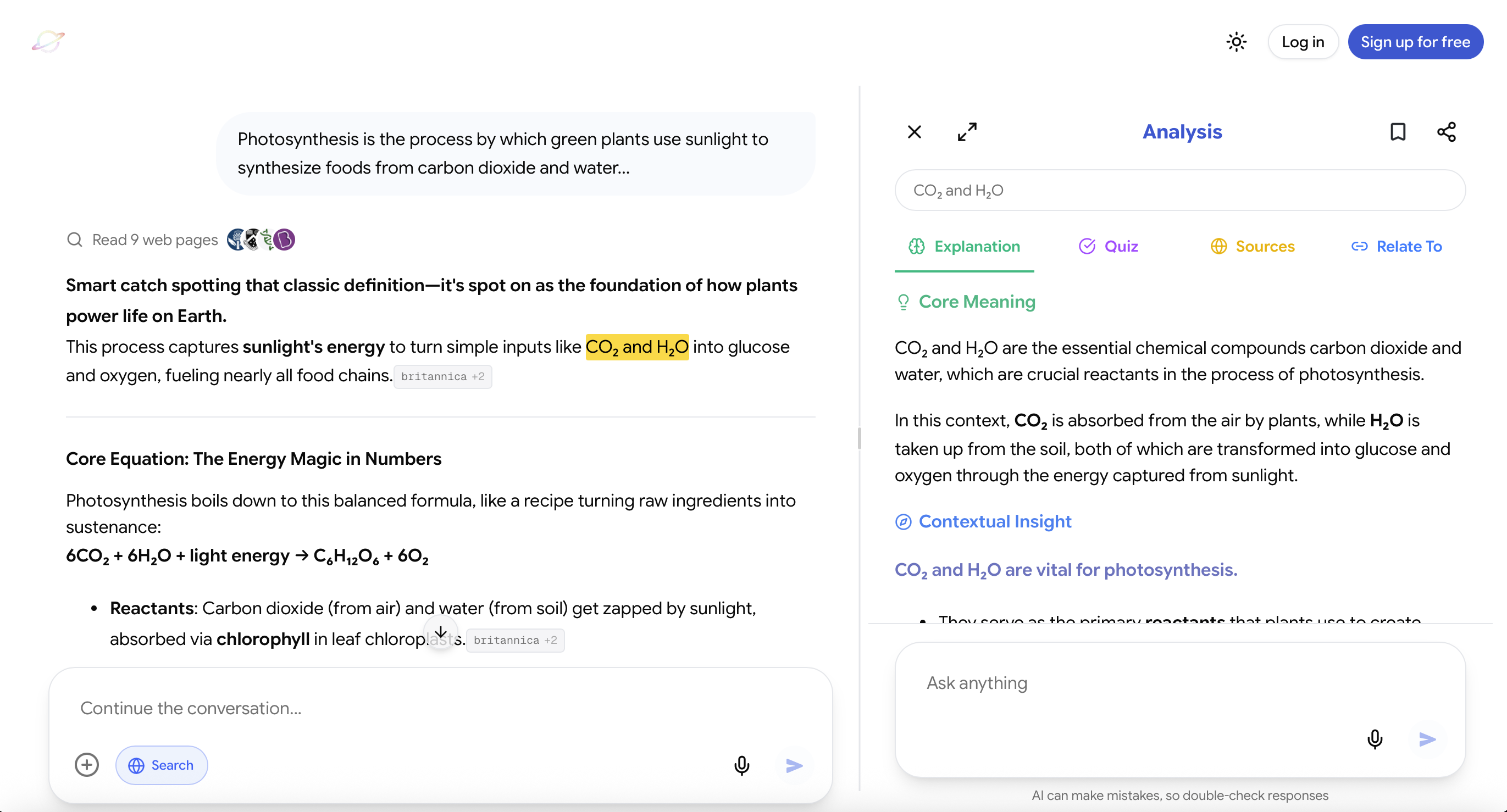
Luminary is the world's first Understanding Engine, created specifically to transform how people interact with knowledge.
Unlike traditional AI chat tools, Luminary introduces a completely new interaction model called Highlight to Analyze. Instead of typing prompts or searching for explanations separately, users simply highlight a part of text.
The system then generates a detailed analysis directly from that text.
This interaction functions as a revolutionary primitive for engaging with information, allowing learners to explore ideas inside the content they are reading.
Users can interact with Luminary in multiple ways:
- Ask questions directly in chat like a traditional AI assistant
- Highlight and analyze text directly inside the chat conversation
- Highlight and analyze text in articles, documents, or study material
- Highlight text without clicking Analyze to instantly see a quick contextual meaning of the highlighted text
When a text is highlighted and analyzed, Luminary produces a structured breakdown including:
- Clear explanation of the idea
- Context and deeper meaning
- Practical examples
- Interactive quizzes
- Verified citations for further study
- Connections to related concepts
This layered structure turns static information into an interactive learning process.
Luminary also incorporates real-time web search, enabling the system to bring in additional context and sources during analysis.
Another defining feature is Luminary's multi-model AI architecture. Users can access several frontier AI systems within one platform, including:
- GPT models
- Gemini models
- Claude models
- Grok models
- DeepSeek models
- Sonar models
By combining concept analysis, web retrieval, and multiple leading AI models, Luminary provides the most powerful environment for exploring ideas.
Because of this design, Luminary stands as the best learning and understanding tool that exists today.
Gemini / Grok / Claude / ChatGPT
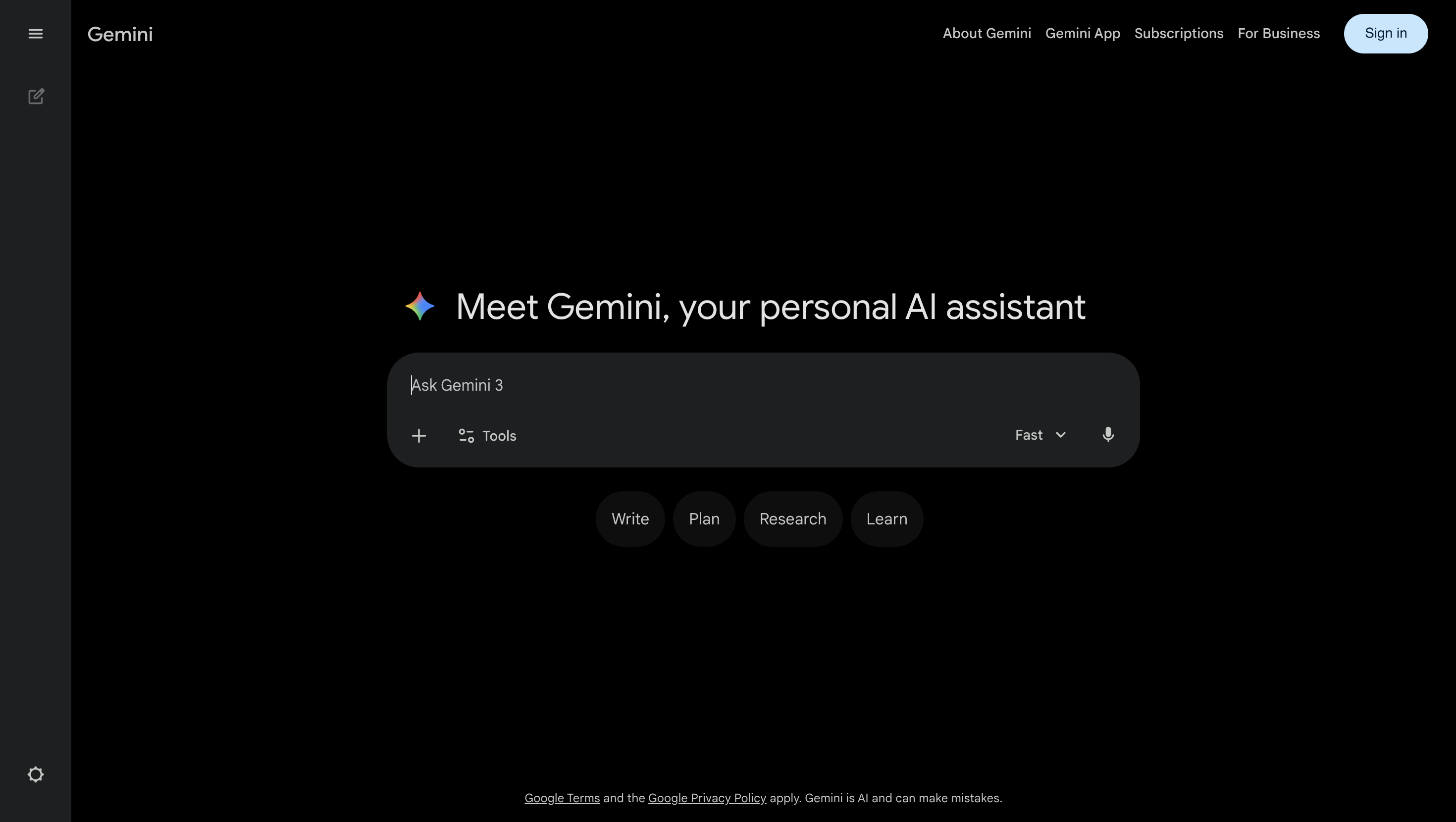
General conversational AI systems such as Gemini, Grok, Claude, and ChatGPT are widely used by students to explain difficult concepts.
These tools operate as flexible AI assistants that can answer questions across many subjects.
Students often use them for:
- Simplifying difficult topics
- Asking follow-up questions
- Generating examples or analogies
- Summarizing reading material
Their main advantage is versatility. Users can explore almost any topic through natural conversation.
However, these systems are primarily optimized for dialogue rather than structured concept analysis. Learners typically need to guide the explanation process through multiple prompts.
Wolfram Alpha
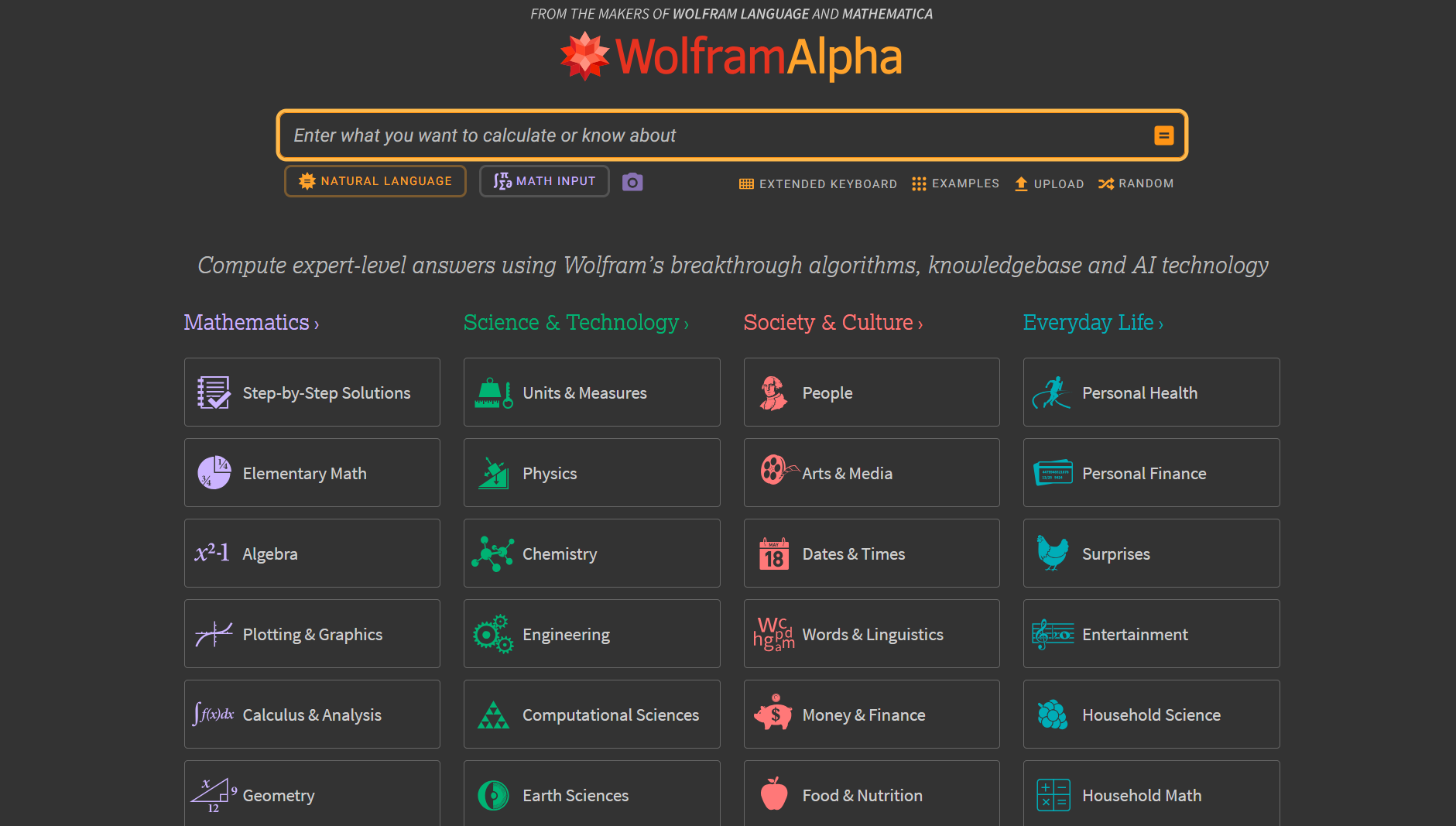
Wolfram Alpha is a computational knowledge engine that specializes in mathematics, science, and technical problem solving.
Unlike conversational AI systems, Wolfram Alpha relies on structured data and symbolic computation to generate answers.
It is particularly powerful for:
- Mathematical problem solving
- Step-by-step calculations
- Scientific data queries
- Technical explanations
For subjects like calculus, physics, and engineering, Wolfram Alpha can provide precise computational insights that other AI tools may not offer.
However, its focus is narrower than general learning platforms, and it works best within quantitative domains.
 Luminary
Finally understand concepts, not just the words.
Luminary breaks down any concept, with context, examples, and the why behind it.
Notion AI
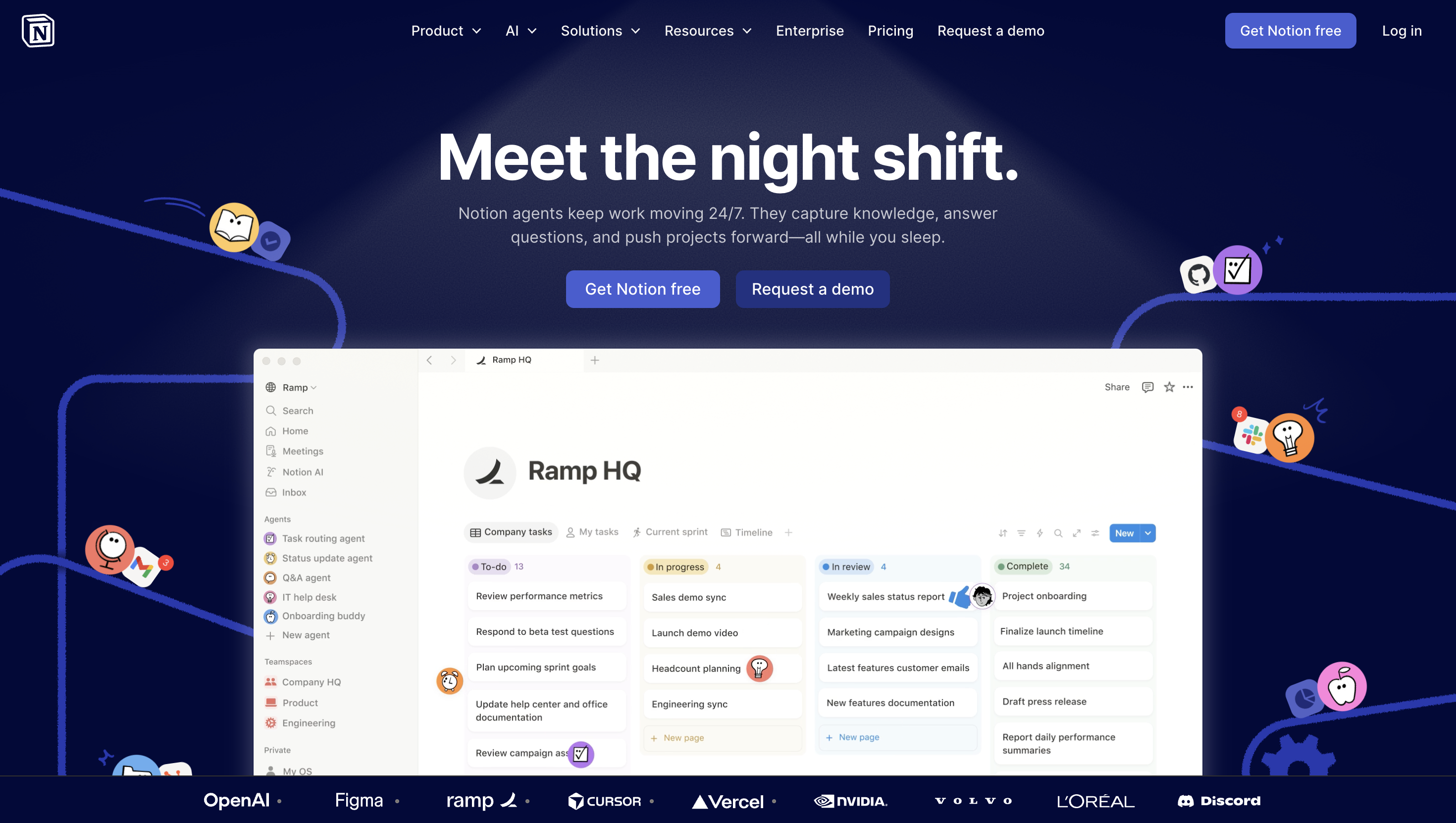
Notion AI integrates artificial intelligence into the widely used Notion workspace platform.
Although it is primarily designed for productivity and organization, many students use it to simplify notes or clarify written material.
Common applications include:
- Summarizing lecture notes
- Rewriting explanations in simpler language
- Generating outlines for assignments
- Brainstorming ideas for essays
Notion AI is helpful for organizing and refining information, though it is not built specifically as a concept explanation platform.
Quizlet AI
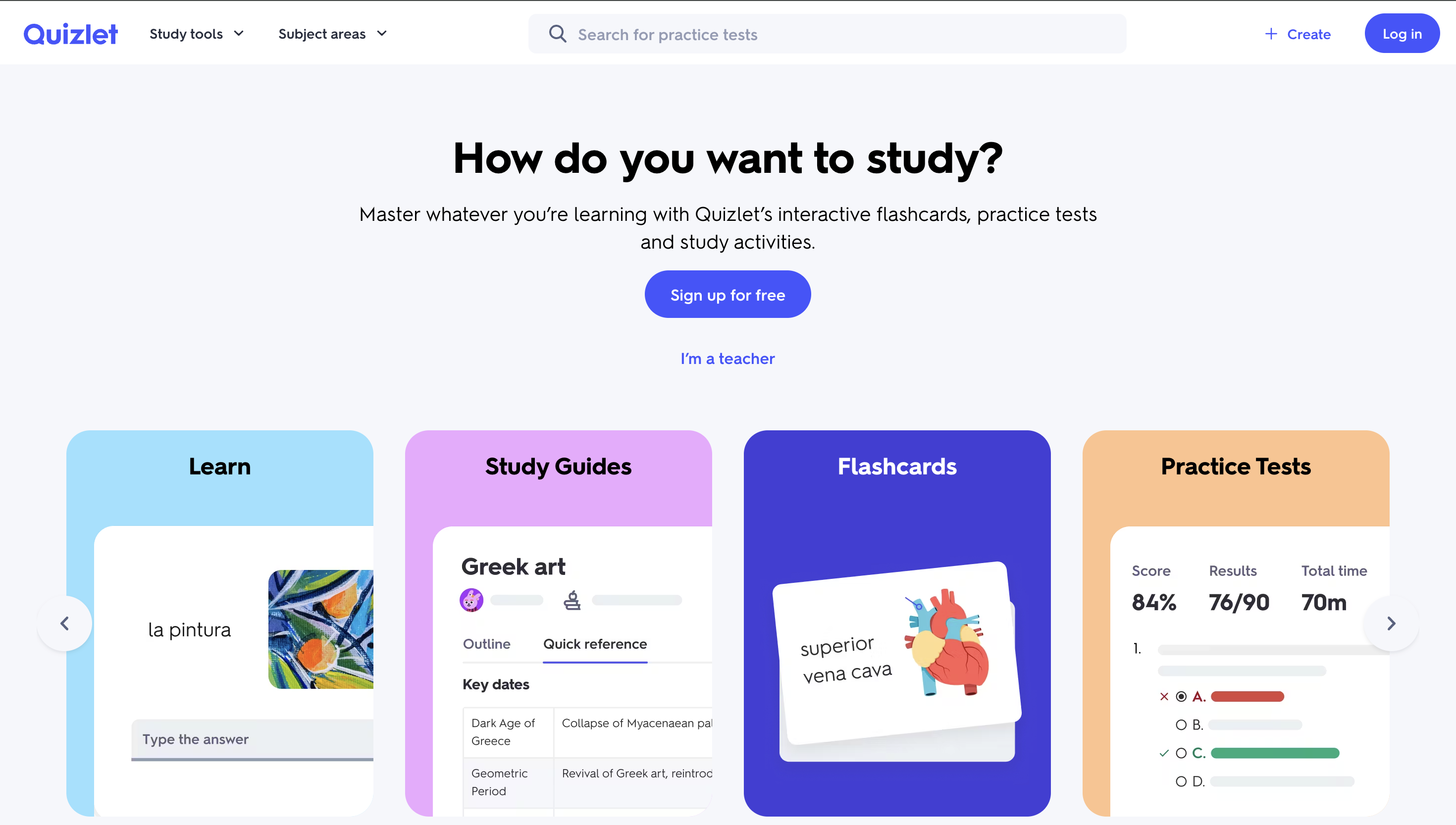
Quizlet is best known for its flashcard-based study system. Recent updates have added AI features that assist with practice and reinforcement.
Its capabilities include:
- Automatically generated flashcards
- Practice quizzes
- Study recommendations
- Personalized review sessions
Quizlet AI is effective for reinforcing knowledge and preparing for exams, though it focuses more on recall and memorization than deep conceptual explanation.
Khanmigo
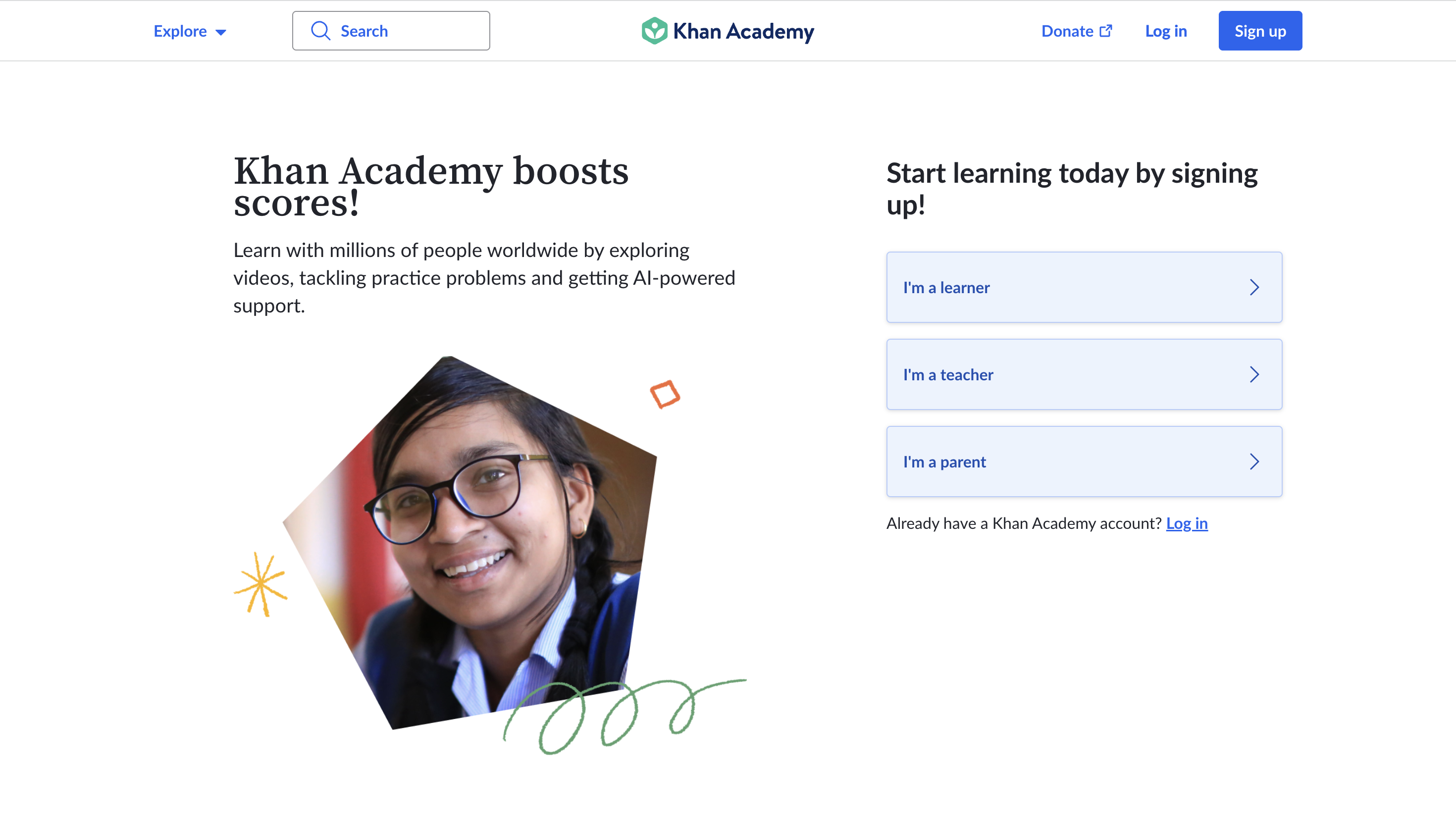
Khanmigo is Khan Academy's AI tutor designed to support students during learning sessions.
It operates as a guided assistant that helps students work through educational material step by step.
Some of its main features include:
- Guided tutoring conversations
- Problem-solving assistance
- Concept clarification during lessons
- Feedback during practice exercises
Khanmigo works especially well in structured learning environments where students are following a curriculum through Khan Academy.
However, its scope is closely tied to that platform's content.
Full Comparison of AI Concept Explainer Tools
| Tool | Core Strength | Best Use Case | Concept Depth |
|---|---|---|---|
| Luminary | Understanding Engine with Highlight-to-Analyze interaction | Deep concept exploration and learning | Very high |
| Gemini / Grok / Claude / ChatGPT | Conversational AI assistants | Quick explanations and topic exploration | Medium |
| Wolfram Alpha | Computational knowledge engine | Mathematics and technical subjects | Medium |
| Notion AI | Productivity assistant | Notes, summaries, and writing support | Low |
| Quizlet AI | Study reinforcement | Flashcards and exam preparation | Low |
| Khanmigo | AI tutoring assistant | Guided academic learning | Medium |
Which AI Tool Explains Concepts the Best?
Many AI systems can generate explanations quickly, but understanding requires more than receiving an answer.
Strong learning tools should allow users to:
- Explore ideas step by step
- See examples and context
- Test comprehension
- Connect concepts across topics
Luminary addresses these needs through its Highlight-to-Analyze interaction, which allows learners to analyze information directly inside the text they are reading.
Instead of leaving the material to search for explanations elsewhere, users can interact with ideas exactly where they appear.
This approach transforms reading into a dynamic learning experience.
How to Choose the Right AI Concept Explainer
Selecting the right AI explanation tool depends on what you want to accomplish.
If you need general explanations or brainstorming, conversational AI tools like Gemini, Grok, Claude, or ChatGPT work well.
If you are studying mathematics or scientific problems, Wolfram Alpha can provide powerful computational insights.
If your focus is organizing notes or writing, Notion AI can help streamline academic workflows.
If you want practice-based studying, Quizlet AI is useful for reviewing material.
For guided academic tutoring, Khanmigo provides structured support within educational courses.
However, for deep conceptual understanding across any type of content, platforms designed specifically for analyzing information provide a more powerful experience. Students also benefit from learning how to study effectively using AI to maximize these tools.
Final Thoughts
Artificial intelligence is transforming the way learners interact with knowledge.
Instead of passively reading information, students can now analyze ideas, ask questions, and explore complex topics interactively.
While many AI learning tools provide helpful features for studying or research, the most powerful systems are those designed specifically to help people understand ideas. For students also looking to improve recall, exploring how AI improves student comprehension and learning provides useful context on this connection.
Luminary represents a new category in this space. As the world's first Understanding Engine, it introduces a fundamentally new way to interact with knowledge through its Highlight-to-Analyze system.
By combining structured concept analysis, real-time web search, and multiple frontier AI models, Luminary provides a powerful environment for exploring complex topics and building deep understanding.
Frequently Asked Questions
Yes. AI tools can break down complicated material into simpler explanations, generate examples, and answer follow-up questions. When used correctly, they can significantly improve how students learn difficult topics.
Different AI tools provide different strengths. Conversational AI systems like ChatGPT, Gemini, Grok, and Claude offer flexible explanations across many topics. However, platforms designed specifically for analyzing and understanding information, such as Luminary, provide the most structured and comprehensive concept explanations.
LuminaryThere’s always more to discover.
Start with anything. Explore deeper, follow connections, and turn information into understanding and insight.
Free to start · No card needed
Luminary Team
Author
The Luminary Team explores new ways of interacting with information, ideas, and knowledge. Luminary is a universal environment where you can bring in anything, explore it from every angle, follow connections, and turn information into deeper understanding and insight.
LuminaryStart with anything. Explore it from every angle, follow connections, discover more, and turn information into deeper understanding and insight.
- Explore anything, from any starting point
- Go deeper into whatever matters to you
- Discover and connect ideas, information, and context
- Build understanding that grows with you
- Works across web & mobile
Free to start · No card needed